
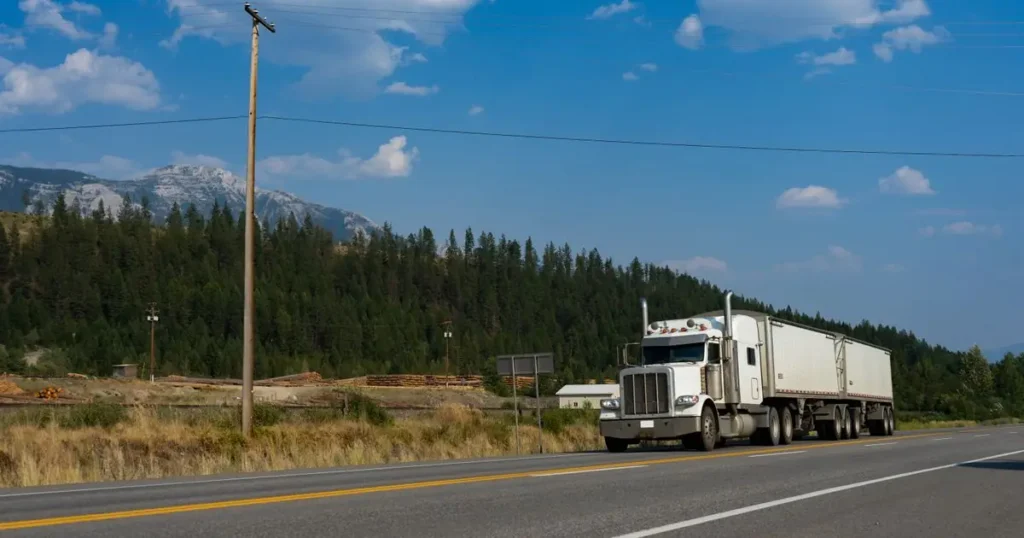
It’s one of the most reliable patterns in injury law: within a day — sometimes within hours — of a serious semi-truck crash on I-15 near Draper, the phone rings: the trucking company called after your accident — a calm, professional voice from their insurer. They’re “checking on you.” They’d “like to get your side while it’s fresh.” They may even float paying some bills.
That call is not customer service. It’s the visible edge of a rapid-response operation that commercial carriers run precisely because truck crashes are expensive — and because the first 72 hours decide what evidence survives. If you’re wondering what to do after a semi truck accident in Utah, start with understanding what’s happening on the other side of that phone call.
Quick Answer: The trucking company called after my accident — why so fast, and should I talk to them? Commercial carriers deploy rapid-response teams within hours of serious crashes to inspect vehicles, interview their driver, and shape the record before victims are organized — and their early call to you is aimed at a recorded statement that can limit your claim. You are not required to give one, and you shouldn’t before getting advice. Your urgent priorities are medical care and formal preservation of the truck’s records, which can otherwise be legally destroyed on routine schedules.
What’s Happening in Their First 72 Hours
While you’re in the ER or arranging a rental car, the carrier’s team is often already working:
- Investigators at the scene and tow yard, photographing, measuring, downloading.
- Their driver interviewed and counseled before anyone on your side asks a question.
- The tractor inspected — and repaired. Once the unit returns to service, the physical evidence of brake condition, tire wear, and damage geometry starts disappearing into normal operations.
- The paper trail on a countdown. Federal rules require carriers to keep records like driver logs and inspection reports — but only for limited retention periods, some measured in months. The Federal Motor Carrier Safety Administration‘s framework governs hours-of-service, maintenance, and drug-and-alcohol testing records — all of it evidence, all of it on a clock, and none of it preserved for your benefit unless someone formally demands it.
That formal demand — a spoliation/preservation letter to the carrier — is the single most time-sensitive legal act in a truck case. It converts “routine deletion” into “destruction of evidence,” with serious consequences for a carrier that ignores it. Sending it in the first days is standard practice for a Draper truck accident attorney handling an I-15 case, and it’s the reason early representation changes outcomes in truck claims more than in any other crash type.
The Early Call: What They Want, What to Say
What they want: a recorded statement while you’re medicated, exhausted, and unsure of your injuries — ideally containing a “feeling okay,” a speculative fault comment, or agreement to a vague characterization of the crash. Secondarily: a signed blanket medical release, and openness to a fast, small settlement before the injury picture develops.
What to say: almost nothing. Confirm the crash happened and provide basic identifying information if you choose. Then: “I’m still receiving medical care, and I’ll have someone follow up with you.” You are under no obligation to give the carrier’s insurer a recorded statement, sign their releases, or accept their framing on any timeline. Politeness and silence are fully compatible.
What never to say: guesses (“I might have been going a little fast”), minimizations (“I’m mostly fine”), or absolutes about facts still being investigated. In a claim that may involve reconstruction, ECM downloads, and federal-compliance review, your day-two phone impressions should not be the record.
Why Truck Claims Are Built Differently
A loaded semi outweighs your car by a factor of twenty, and the claims reflect it: catastrophic injury exposure, layered commercial policies, and multiple potential defendants — the driver, the motor carrier, sometimes a separate trailer owner, a shipper/loader for cargo issues, or a maintenance contractor. Each layer has coverage; each has a defense team.
The negligence analysis is broader too. Beyond the driving itself, truck cases examine the company: hours-of-service compliance (fatigue is a defining factor in serious truck crashes), maintenance and inspection history, driver qualification files, and — on this corridor specifically — judgment calls about operating high-profile vehicles in the canyon winds at the Point of the Mountain. We covered the corridor’s wind, grade, and pileup dynamics in our Point of the Mountain crash guide; in a truck case, those same conditions become questions about what the carrier knew and dispatched into anyway.
Utah’s baseline rules still frame everything — PIP pays your initial medical bills regardless of fault, comparative negligence governs shared-fault arguments, and the four-year statute sets the outer limit — but in truck litigation, the practical deadlines belong to the evidence, and the evidence belongs to the other side until you formally claim it.
The Attention These Cases Demand
Serious truck cases are document wars against professional defense operations — and they’re exactly why we built the firm around big firm settlements with small firm personal attention. Porrazzo Rawlings Accident & Injury Law has recovered hundreds of millions for injured Utahns, and we keep our caseload deliberately limited so you are never just a case number: one real attorney, yours from first call through resolution, never a paralegal or case-manager handoff. When a carrier’s rapid-response team has a 72-hour head start, you don’t want your file waiting in a queue. Several of our attorneys are former insurance adjusters and defense counsel — the early-call script, the release-with-the-repair-check, the retention-schedule defense: we’ve seen every page of it from the inside. Our truck accident practice covers the full framework.
Frequently Asked Questions
I already gave the trucking insurer a short statement. Is my claim ruined? No — but stop there. Get a copy if you can, don’t supplement it, and have an attorney assess what was said. Early statements are damaging mainly when they’re allowed to grow.
They offered to pay my medical bills and repairs right away. Isn’t that good? Read what’s attached. Early payments frequently ride with release language or claim-closing terms, and truck-crash injuries routinely outgrow first-week estimates. Utah’s PIP coverage already handles initial medical bills — you don’t need their check to get care.
How long does the trucking company have to keep the driver’s logs? Federal retention periods for key records are limited — some measured in months — and carriers may lawfully discard records once periods lapse unless a preservation demand is in place. That’s why the spoliation letter is a first-week priority, not a litigation-stage formality.
What if the truck driver got a citation at the scene? It strengthens the claim but doesn’t finish it. Carriers contest causation and damages even with a cited driver, and the company-negligence layers (fatigue, maintenance, dispatch) often matter more to the final value than the ticket does.
A Semi Changed Your Life on I-15? Match Their Speed — Free Consultation
If a commercial truck injured you or a loved one near Draper, the carrier’s team started working the day it happened. Yours can start today. Call (801) 553-0505 to speak directly with an attorney — consultations are free, we’re available 24/7, and with our zero-fee guarantee you pay nothing unless we win or settle your case. We’ll come to you, hospital included.
Disclaimer: This article is for informational purposes only and does not constitute legal advice. Reading this article does not create an attorney-client relationship. Every case is different, and no guarantees or promises can be made regarding the outcome of any claim or the amount of any compensation. Past results do not guarantee future outcomes. If you have been injured, consult directly with a qualified Utah attorney about your specific situation.