

Here’s the paradox at the center of every serious truck crash claim in Utah: the most complete witness to the collision is the truck itself — and it works for the other side.
A modern commercial tractor is a rolling data center. Its electronic logging device tracks the driver’s hours to the minute. Its engine control module records speed, throttle, braking, and cruise status in the seconds around any hard event. Fleet dash cameras — increasingly dual-facing — capture the road ahead and the driver’s eyes. Dispatch systems log the schedule pressure behind the wheel; maintenance databases record what was fixed and what was deferred; and a federal paper trail follows the driver from hiring to drug testing.
When a crash happens, all of that evidence answers the questions that decide fault: Was the driver out of hours? Was the truck speeding for conditions? Did the brakes get the inspection the rules require? The problem is where the answers live — in the motor carrier’s possession, on retention schedules that quietly erase them. This guide covers what exists, what it proves, and how injured Utah drivers keep it from disappearing.
Quick Answer: What evidence does a truck’s “black box” and logging system actually contain? A commercial truck’s electronic systems typically record the driver’s hours of service (ELD logs, which federal rules require carriers to retain for at least six months), engine data around hard-braking events — speed, throttle, brake application — plus GPS history, and often dash-camera video. Combined with dispatch records, maintenance files, and the federally required driver qualification file, this evidence can prove fatigue, speed, or maintenance failures — but it sits in the carrier’s possession, so a formal preservation (spoliation) letter should be served within days of the crash.
The Evidence Map: What Exists and What It Proves
Electronic Logging Device (ELD) records. Since federal mandates took effect, nearly all interstate carriers must log driving hours electronically, and FMCSA rules require supporting records to be kept for at least six months. ELD data answers the fatigue question directly: how long the driver had been rolling, when they last took required rest, and whether the schedule left room for the trip legally at all. Hours-of-service violations are among the most powerful liability facts a truck claim can hold.
Engine control module (“black box”) data. The ECM and related event recorders capture the seconds that matter: vehicle speed, brake application, throttle position, and sometimes following-distance alerts from collision-avoidance systems. In a disputed rear-ending — the scenario we’ve covered in our semi rear-end claim guide — this data replaces argument with arithmetic. It can also vanish physically: totaled tractors get salvaged, and modules get lost with them.
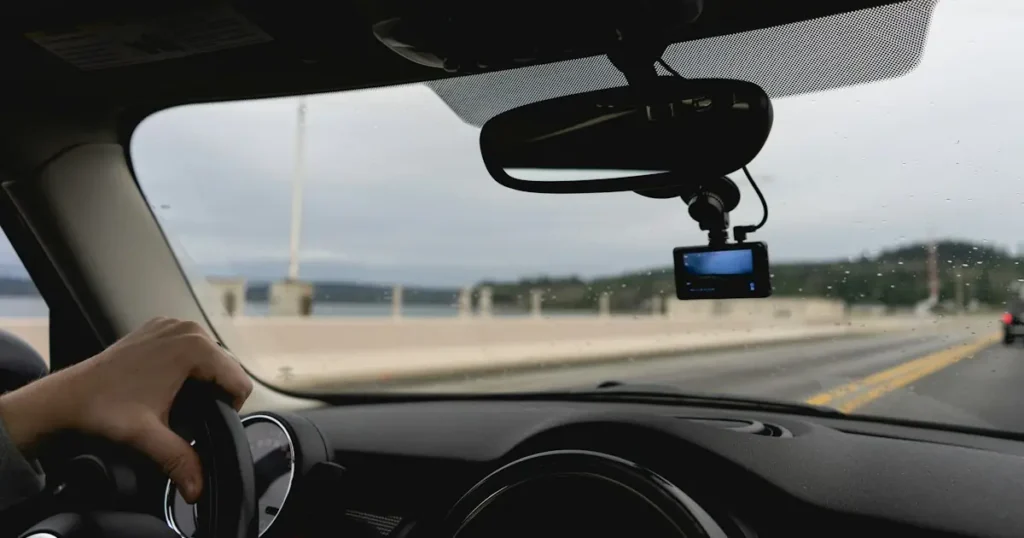
Camera systems. Forward-facing lenses capture the roadway; driver-facing lenses capture phones, fatigue, and attention. Fleets run these for their own risk management — which means footage of your crash may already exist, on an overwrite cycle measured in days to weeks.
Dispatch, load, and telematics records. Route assignments, delivery windows, and messaging can show the schedule pressure behind a speed-for-conditions violation. GPS breadcrumbs reconstruct the trip.
The driver qualification file and testing records. Federal rules require carriers to maintain each driver’s qualification file — licensing, medical certification, violation history — and to conduct post-accident drug and alcohol testing after qualifying crashes. Hiring and supervision failures documented here support claims against the carrier directly, not just the driver.
Maintenance and inspection files. Brake adjustment, tire condition, and repair histories — with deferred maintenance a recurring theme in serious crash litigation.
The Retention Problem — and the Letter That Solves It
None of this evidence is kept forever, and some of it barely outlives the news cycle: camera footage overwrites, ELD supporting documents age out at the six-month federal floor, and salvaged vehicles take their modules with them. Carriers are sophisticated about their obligations — they generally won’t destroy evidence they’ve been formally told to preserve, because courts punish spoliation. But absent that formal notice, routine deletion is legal, ordinary, and devastating to claims.
The tool is a preservation letter (spoliation letter): a formal demand, served on the carrier and its insurer, identifying the categories of evidence that must be held. Served in week one, it freezes the record. Served after the retention cycle has turned, it preserves an apology.
This is the single most time-sensitive task in any Utah truck claim, and it’s the first thing a Salt Lake City truck accident lawyer does on intake — typically the same day. It’s also the clearest reason truck claims reward early representation: nothing about a preservation demand can be retrofitted.
What You Can Do From the Scene Forward
The carrier holds its evidence; you hold yours. From the moment of the crash:
- Photograph the truck’s identity — company markings, USDOT number, plate, and trailer number. Corporate layers (owner, carrier, broker) get untangled from these.
- Capture the context — vehicle positions, the roadway, weather, and any visible cargo or equipment issues.
- Collect witnesses. Independent accounts of the truck’s driving before impact — weaving, tailgating, speed — corroborate what the data shows.
- Say nothing recorded to the carrier’s insurer. Their adjusters may call within hours; the friendly “just your side of the story” conversation is an evidence-gathering exercise for their file, and we’ve broken down that exact call in our guide to what to do when the trucking company calls.
- Get medical care and keep every record. Utah’s PIP coverage handles initial bills regardless of fault; your treatment record is the damages half of the claim the data supports.
Statewide context makes the stakes plain: Utah’s crash data from the Utah Highway Safety Office shows commercial-vehicle crashes disproportionately represented among the state’s serious-injury events — exactly the claims where evidence quality sets the ceiling.
Frequently Asked Questions
How long does a trucking company have to keep driver logs? Federal rules require hours-of-service records and supporting documents to be retained for at least six months. Other records run on different clocks — camera footage often much shorter, driver qualification files longer — which is why a preservation letter covering every category matters more than any single retention rule.
Can the trucking company legally delete evidence after my crash? Routine deletion under ordinary retention policies is generally lawful until the carrier is on notice of a claim. A formal preservation letter creates that notice; destroying evidence afterward exposes the carrier to spoliation sanctions that can reshape the entire case.
The truck was totaled and salvaged. Is the black box data gone? Not necessarily — but the window narrows fast. Data can often be extracted before salvage, and preservation demands can reach the module wherever the vehicle sits. This is a same-week problem, not a someday problem.
Do I need a lawyer just to send a preservation letter? The letter itself is the easy part; knowing every category to demand, serving the right corporate entities, and following through with data extraction and regulation analysis is the substance. Consultations are free, and with our zero-fee guarantee you pay nothing unless we win or settle — all case costs advanced.
The Truck Already Recorded What Happened. Keep It That Way — Free Consultation
If a commercial truck injured you anywhere in Utah, the evidence that proves it is on a deletion schedule right now. Call (801) 553-0505 to speak directly with an attorney today — free consultations, available 24/7 — and our truck accident team serving Salt Lake City and all of Utah will get the preservation demands out before the record turns over.
Disclaimer: This article is for informational purposes only and does not constitute legal advice. Reading this article does not create an attorney-client relationship. Every case is different, and no guarantees or promises can be made regarding the outcome of any claim or the amount of any compensation. Past results do not guarantee future outcomes. If you have been injured, consult directly with a qualified Utah attorney about your specific situation.